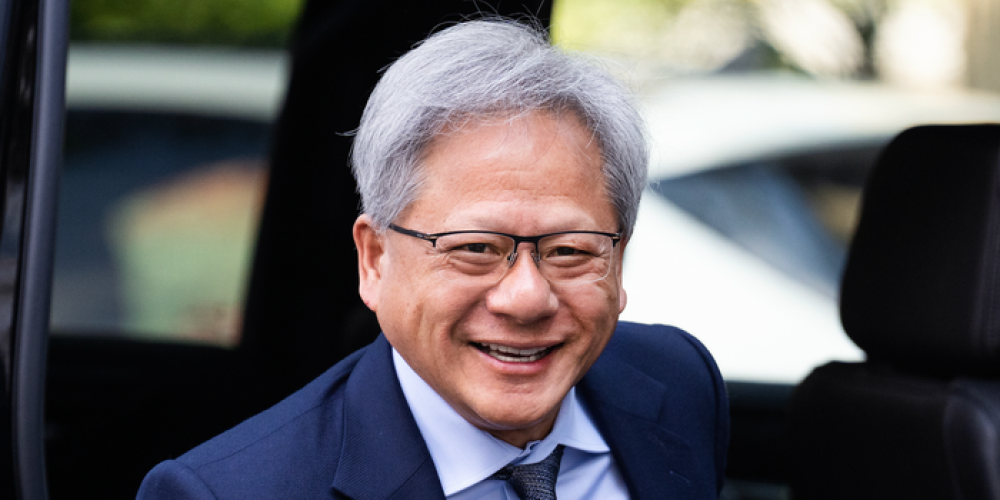
Nvidia’s board of directors has unanimously voted to reinstate Jensen Huang as the company’s president and CEO, according to a statement released on November 23. The decision comes just days after his removal from the leadership of one of the world’s most valuable companies.
In its statement, Nvidia said the board had received input from senior US government officials during the decision-making process. Based on that input, the board concluded that Huang’s return would pose no national security risk.
Huang’s vision and leadership helped turn Nvidia into one of the world’s most valuable companies, earning him widespread recognition across the technology industry. However, his public standing came under pressure following revelations about an extramarital relationship with a senior executive who reported to him and a relationship with a Chinese businesswoman suspected of having links to Beijing’s intelligence services.
On November 17, Huang indicated that he was willing to return to the CEO position he had held for 33 years. Support for his reinstatement had grown across Silicon Valley, while a “Stand with Jensen” petition attracted tens of thousands of signatures. Around one in five signatories identified themselves as Nvidia employees.
In a statement, Huang said he would be honoured to return as CEO if the board determined that his reinstatement was in the best interests of shareholders, employees, the company and the United States.
Before the decision, Nvidia’s board had established a new committee to oversee the company’s national security policies and investigate the conduct of its chief executive. On November 16, US President Donald Trump said he would support Huang’s return. However, Treasury Secretary Scott Bessent had called for a major leadership shake-up and argued that the company’s next CEO should come from outside Nvidia.
Nvidia reported on November 17 that its quarterly revenue had exceeded $100 billion for the first time. The company manufactures chips used to run AI models and also provides financing to customers and suppliers, further strengthening its position in the global technology industry.
On November 8, Huang apologised to employees amid an investigation into allegations that he may have shared trade secrets with a Chinese businesswoman suspected of being an intelligence asset for Beijing. Huang acknowledged responsibility for his actions, saying: “I own my mistakes completely.”
The article also highlights Huang’s 3.6% stake in Nvidia. Because he did not hold supervoting shares, he was vulnerable to removal by the board. The absence of a clear succession plan had also become a concern. Following his departure, Chief Financial Officer Colette Kress had taken over as interim CEO while the board searched for a permanent replacement.