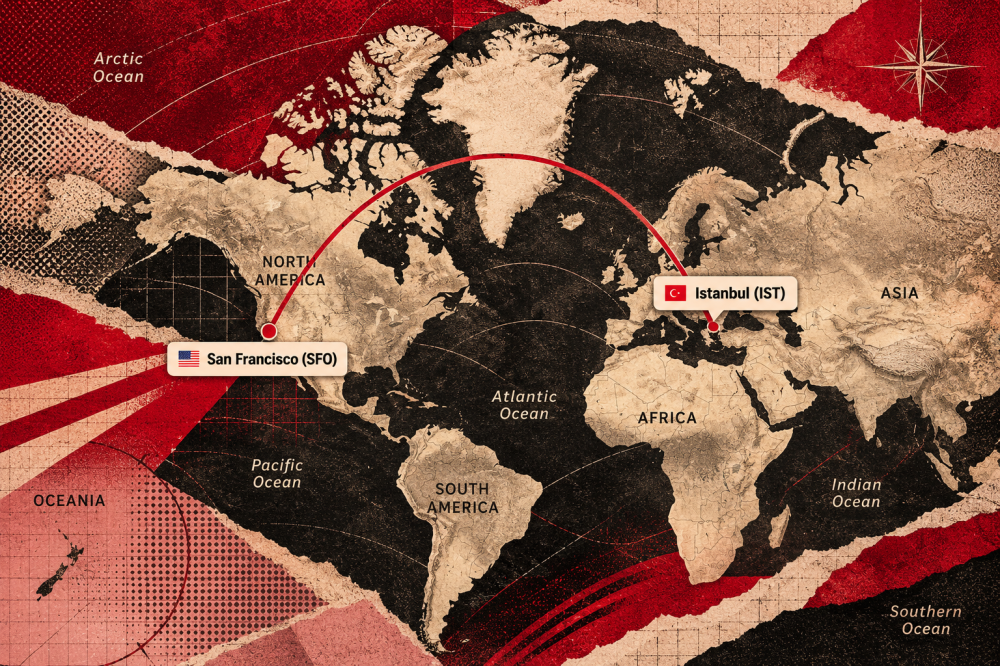
One of the most notable trends in Turkey’s startup investment landscape over the past two years has been the growing interest of Turkish investors in founders who live abroad and have established their businesses in other countries, rather than entrepreneurs based in Turkey. These founders are increasingly referred to as “Diaspora Founders.”
One strategy investors are using is to identify startups accepted into Y Combinator (YC), one of the leading startup accelerators in the United States. Being selected for YC can significantly improve a startup’s chances of attracting investment.
The topic has come up frequently in recent meetings and discussions. Turkish startup founders often have limited financial resources and relatively short professional track records, which can make it harder for them to establish credibility in international markets.
There are also practical challenges. Founders looking to expand into Europe, the United Kingdom, and the United States face lengthy visa and residency procedures, which frequently result in rejections. Without being able to attend meetings and events in person, technology entrepreneurs can struggle to sell their products and build trust in those markets.
Turkish founders already living abroad face fewer of these obstacles. They have residency rights, language skills, and a strong understanding of local business culture. This gives them a head start when entering international markets. From an investor’s perspective, investing in these founders also reduces the risks associated with relocation, adaptation costs, and delays that domestic entrepreneurs may encounter when expanding overseas.
As a result, investors and capital are increasingly turning their attention to diaspora founders.
Last week, the “Go Global” event organized by DEİK and Endeavor, as well as “Local to Global,” organized by Nexrone Global, once again highlighted the importance of international markets and this shift in mindset. DEİK and Endeavor presented a vision focused on foreign investors, while Nexrone Global, hosted by Bilişim Vadisi in collaboration with Golden Bridge Partners, focused more on experience-sharing and market integration.
These events reflect the growing interest among Turkish industrial companies, small and medium-sized businesses, and startups in expanding into international markets. European investors and market representatives discussed company formation procedures, the advantages offered by different countries, and details of international law and taxation.
The long-standing belief that “a domestic market of 85 million people is enough” is losing its relevance. At a time when economies need foreign currency inflows and growth, and global markets are facing significant crises, focusing exclusively on the domestic market is no longer sufficient.
Companies need access to other countries, new markets, and innovative products. The article points to China as an example of how international competition is changing: some manufacturers can ship an order and continue producing the product while it is already on its way, enabling faster and more uninterrupted service.
In this environment, businesses need strong infrastructure, new strategies, and sustainable revenue streams to remain competitive. The old approach of figuring things out along the way is no longer enough. Companies must develop solutions for global needs and build profitable operations at competitive costs.
However, the author does not view the migration of highly skilled professionals abroad solely as a loss. Instead, the author believes that recent years of skilled migration could create a powerful “Talent Bridge” for Turkey in global markets. Professionals and entrepreneurs who have gained experience abroad can become strategic representatives of the country internationally.
This Talent Bridge could strengthen Turkey’s international relationships and trade networks in the future. The biggest beneficiaries of this development will not only be the venture capital firms investing in diaspora founders, but also the Turkish economy as it becomes more deeply integrated into the global market.