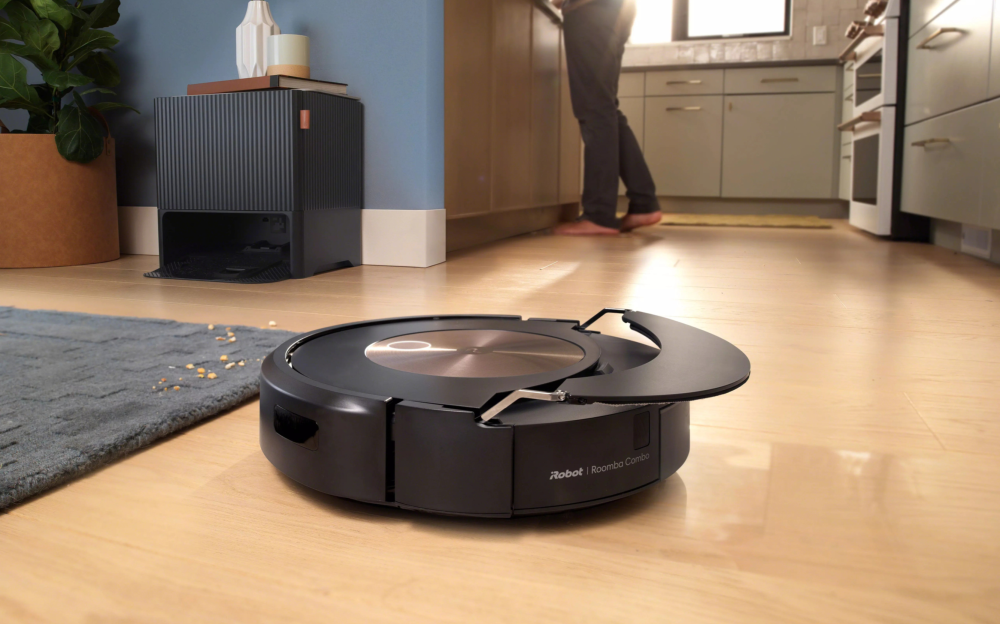
iRobot, the maker of the world-famous Roomba robot vacuum cleaner, has filed for bankruptcy protection due to increased competition and financial pressures caused by new US tariffs. The company filed for Chapter 11 in a court in the US state of Delaware.
The company says that as part of the bankruptcy protection process, it will be acquired by its main manufacturer Picea Robotics, thereby becoming a private company.
iRobot had previously made public its concerns about continuing its commercial activities in March of this year. Increased competition, especially from low-cost Chinese manufacturers and new US tariffs, have further complicated the company's financial situation.
What is Chapter 11?
Chapter 11 is a mechanism under US bankruptcy law that allows companies experiencing financial difficulties to continue operating and restructure their debts under court supervision without going into full liquidation. During this period, the company is temporarily protected from pressure from creditors and develops a recovery plan.
According to court documents, iRobot generated about $682 million in revenue in 2024, but the company’s profits have fallen sharply amid increased competition from Chinese rivals such as Ecovacs Robotics. While it has maintained its position in key markets such as the United States and Japan, it has seen a significant decline in market share in other regions of the world.
In addition, new US tariffs have also had a negative impact on the company. In particular, the 46 percent tariff on imports from Vietnam, where iRobot manufactures for the US market, has significantly increased its costs. According to court documents, these tariffs have increased the company’s costs by $23 million in 2025 and made future planning more difficult.
iRobot, which was recently on the agenda for a $1.4 billion acquisition by Amazon, currently has about $190 million in debt. Most of this debt stems from a loan taken out in 2023 to finance the company’s operations after the cancellation of the Amazon deal due to an antitrust case opened in Europe.
After Amazon’s deal fell through and iRobot defaulted on payments to Picea, China-based Picea Robotics bought the company’s debt from a group of investment funds managed by the Carlyle Group, according to court documents. Under the new bankruptcy plan, Picea will own 100 percent of iRobot’s shares and will write off $190 million in debt that is due in 2023.
iRobot said in a statement that payments to other creditors and suppliers will be made in full.