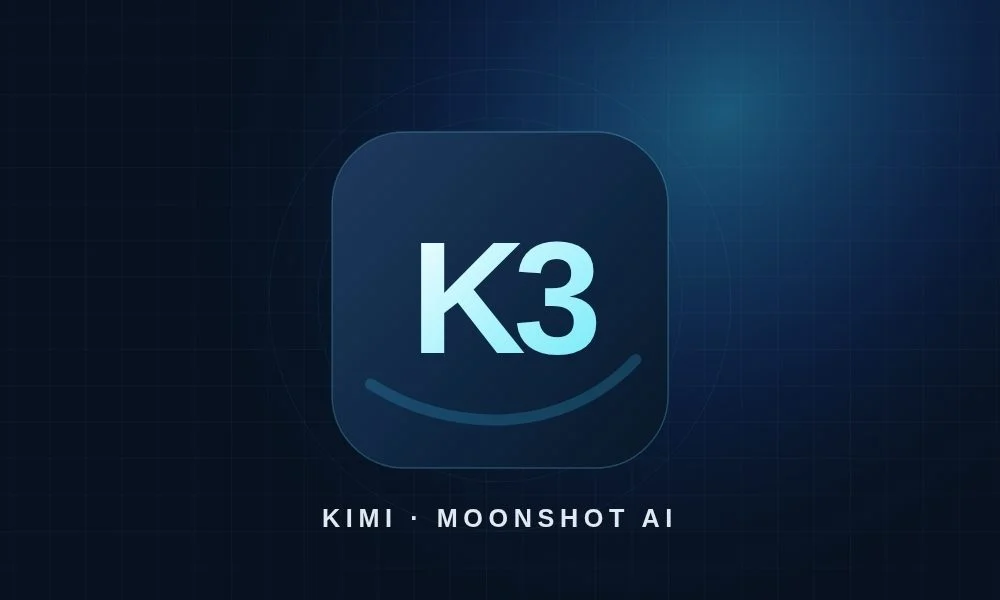
The Kimi K3 artificial intelligence model presented by the Chinese company Moonshot AI has caused widespread discussion in the technology market and political circles. The company presents Kimi K3 as the world's largest open-source artificial intelligence model with 2.8 trillion parameters.
According to CNBC, the model has come close to the leading US artificial intelligence systems in terms of performance. This has revived discussions about whether the US can maintain its technological advantage in the field of AI.
After the presentation of the model, the markets also reacted. Shares of semiconductor manufacturers in the US have fallen. Investors are concerned that the possibility of developing competitive AI models at a lower cost could affect the profitability of billions of dollars of US investments in artificial intelligence infrastructure.
Kimi K3 has also had a negative impact on competitors in the Chinese market. Zhipu shares on the Hong Kong stock exchange fell by 28.4%, and MiniMax shares by 15.6%. Analysts liken it to the market reaction to the DeepSeek model’s launch in 2025.
In the US, however, new discussions have begun. Experts say the debate is intensifying over whether Washington should allow the use of Chinese-made open-source AI models and how to prevent China from benefiting from US technology.
Moonshot AI did not disclose what hardware the Kimi K3 model was trained on. While the company is known to be working with Huawei, developing such a large model despite US export restrictions on Nvidia’s advanced AI chips has also raised questions about the effectiveness of existing sanctions.