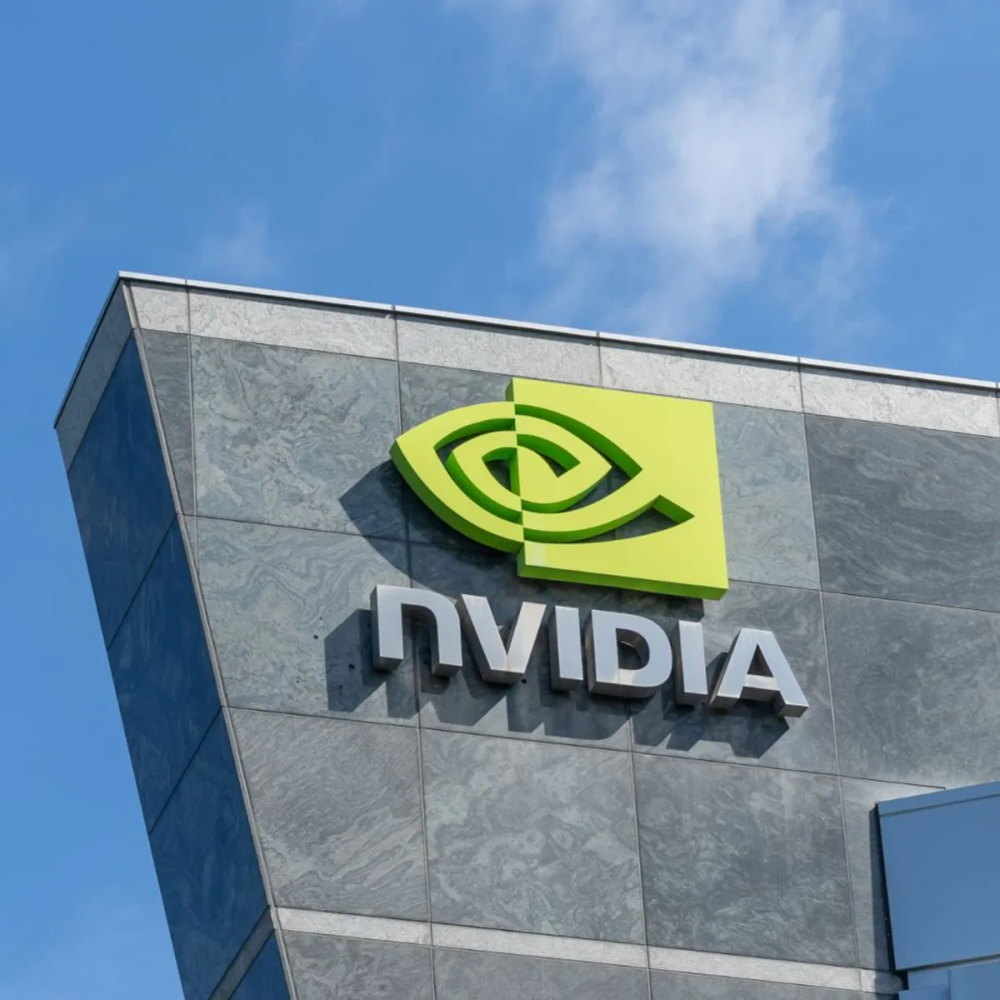
Nvidia has launched its new XR AI platform, designed for artificial intelligence applications used through augmented reality (AR) glasses and extended reality (XR) devices. The platform aims to help factories, laboratories and hospitals manage work processes more efficiently.
The XR AI framework, currently in public beta, connects XR equipment with GPU resources located in the cloud, data center, workstation and edge computing environments. The system uses video, audio, depth, position (pose) and various sensor data.
According to the company's statement, XR AI supports functions such as voice assistant services for front-line workers, procedural instructions, inspection processes and application management.
Industrial technology company Siemens is exploring the application of the platform in the field of maintenance of manufacturing equipment. This collaboration is considered a continuation of the parties' ongoing partnership in the direction of digital twins and industrial AI since 2022.
AutoBio’s Rana division, which develops artificial intelligence systems for scientific research, is launching its LabOS system on the XR AI platform. Early applications include research projects at Stanford University School of Medicine and Princeton University.
According to market research firm MarketsandMarkets, the XR market is expected to grow at a compound annual growth rate of 28.3 percent between 2024 and 2029. One of the main reasons for this growth is the growing demand for XR technologies in the manufacturing and healthcare sectors.