
The friendship between Pakistan and Azerbaijan is strong across all sectors. When we look back at recent history, we see how significant and valuable this relationship is. Both countries are developing their innovation ecosystems. As Tech.az Media, we recently visited Pakistan's capital, Islamabad, with the support of the Asian Development Bank. Although the main purpose of our visit was to attend the "Pakistan Ventures Connect 2024" event, we were also able to familiarize ourselves with other innovation centers, thanks to the initiative of ADB.
First of all, I should mention that Pakistan is rapidly progressing in the field of innovative entrepreneurship. The number of startups being established, their development, and the investments they attract all reflect this.
National Incubation Center
The Ignite organization (affiliated with the Ministry of Information Technology and Telecommunications) has established a total of eight National Innovation Centers (NIC), including two specialized incubators, in cities such as Islamabad, Lahore, Quetta, Karachi, Peshawar, Hyderabad, Faisalabad (for agritech), and Rawalpindi (for space technologies). The main function of these centers is to help young people develop their ideas into fast-growing startups. At NIC Islamabad, where we visited, more than 327 startups have participated in incubation programs, with over 150 startups successfully established. The center’s key partners in incubation are the Founder Institute, and for acceleration, MassChallenge. The center provides critical support to startups, including roadmap development, mentoring, co-working spaces, legal documentation, investor relations, and more.
.jpg)
Overall, over the past five years, these NICs have incubated more than 1,300 startups, with over 660 of them graduating successfully. These startups have created over 126,000 jobs, attracted $79 million in investment, and generated $49.78 million in revenue. These programs have directly supported the development of more than 2,300 women. Some of the startups from these centers have managed to attract significant investments, including BYKEA ($29 million), PakVitae ($17 million), Integry ($4 million), Vceela ($2 million), DigiKhata ($2 million), and Ezbike ($1 million). These investments highlight the success and the impact of the support provided by the centers.
National Science and Technology Park
Our second stop was the National Science and Technology Park. Located in the economic zone of Islamabad, this complex has a broad scope. It is Pakistan’s first fully integrated technology park in the fields of science and technology. The initiative was launched to revitalize the country's knowledge economy and support the development of high-tech, innovation-driven companies. Startups in various sectors, including FinTech, AgriTech, HealthTech, and EdTech, receive support here. The center has shown significant success, with its residents generating over $35 million in annual revenue. More than $35 million has been invested in research, and resident startups have raised over $35 million in investment. Over 155 startups have graduated from the center's programs, creating more than 4,500 new jobs.
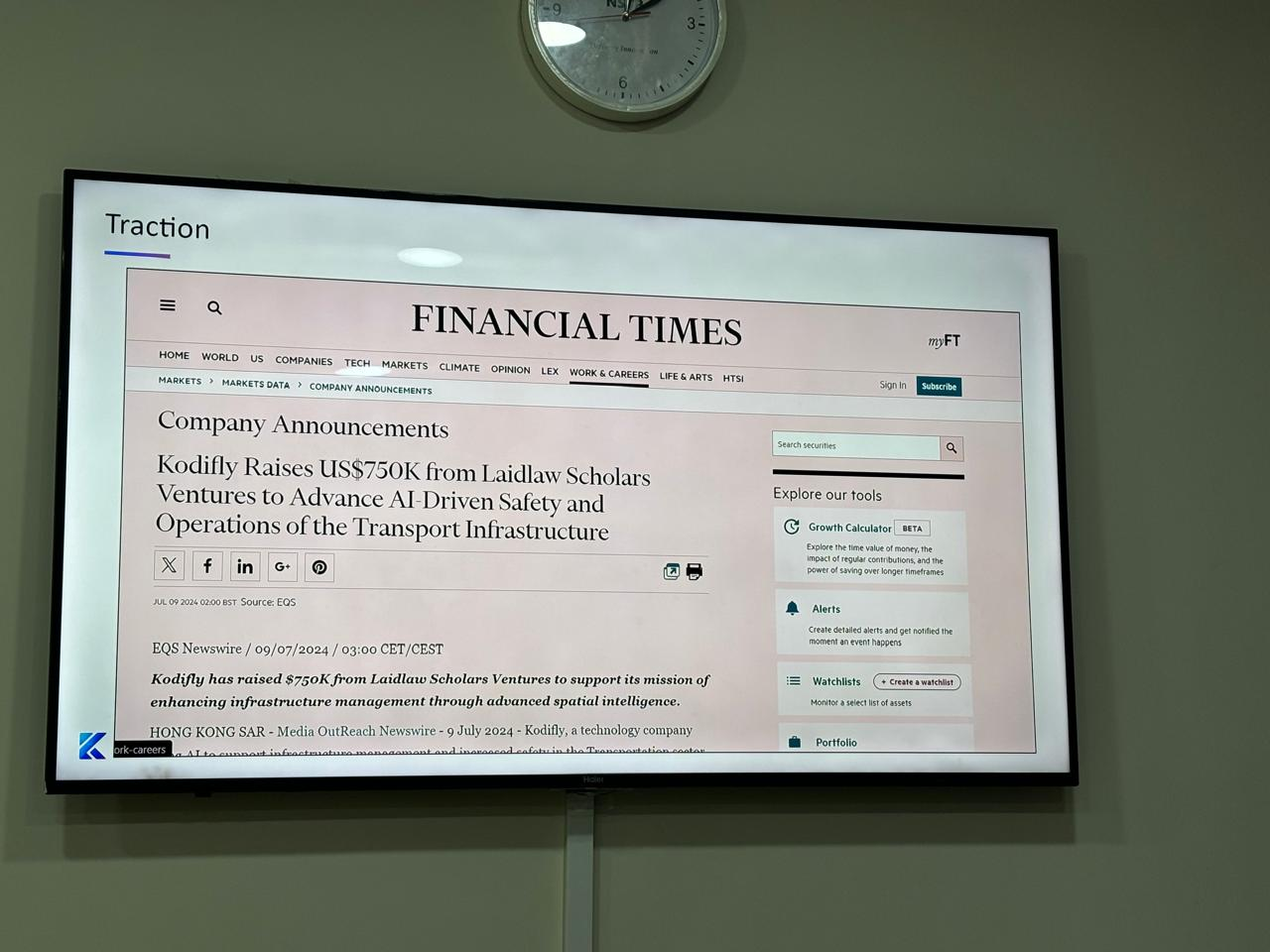
Successful startups from the center include ezGeyser, Sarmaaya, and Kodifly. Alongside support for startups, the technopark also offers courses and training for human resource development.
National Aerospace Science & Technology Park
Unquestionably, one of Pakistan's strongest areas is its air force. The development in this field always pleases Azerbaijanis, and witnessing it firsthand made us even more proud. Our next destination was the National Aerospace Science and Technology Park, where we encountered many exciting aspects. We visited the National Aerospace Technologies Incubation Center (NICAT), which was established with the support of IGNITE – National Technology Fund and the Ministry of Information Technology and Telecommunications. The goal of this center is to fully realize the potential of Pakistan’s aerospace and ICT industries.
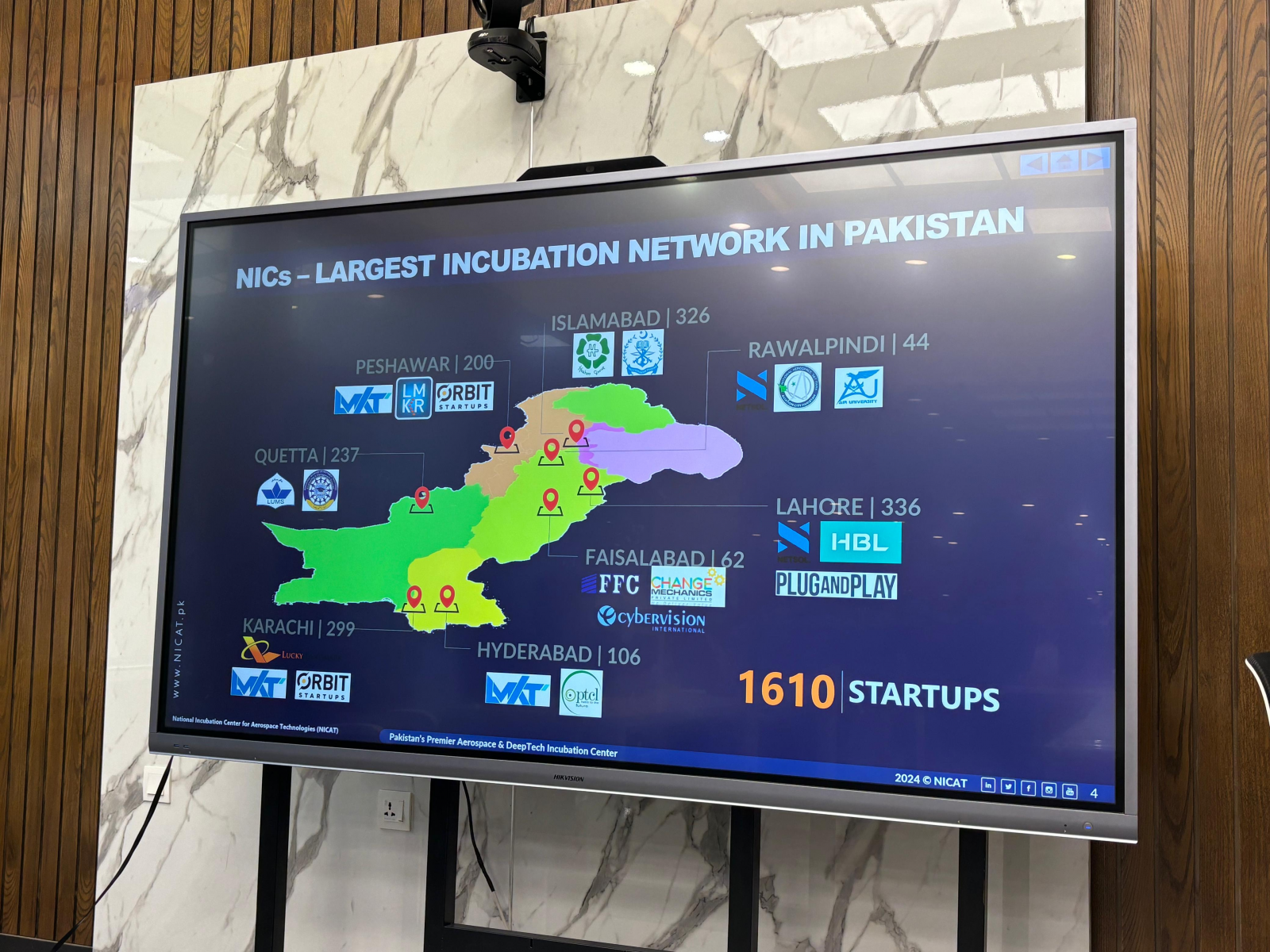
During our visit, we observed the excellent facilities available for startups and had direct conversations with some of the startups. One particularly noteworthy aspect was the training programs designed for the development of new specialists. Talented young people from various cities are brought together for a two-year training course. Those who successfully complete the program contribute to the country's aerospace (or flight-related) development in fields like mechanics and automation. Although the cost of this two-year course exceeds 25,000 euros per participant, the center offers the program fully funded, without any fees. Additionally, various benefits and support are provided to make life easier for young participants coming from other cities.
Successful startups from this center include DynaSys, AiBL, and INLIGHTS. This center represents the country's largest incubation network, having graduated 1,610 startups to date. With the support of the center, these startups have secured over $4.3 million in investment.
Our introduction to Pakistan’s innovation ecosystem with the support of ADB helped form a very positive impression of the country's development and ecosystem. Furthermore, ADB itself supports the growth of the innovation ecosystem and startups in this country, a topic that was discussed at the “Pakistan Ventures Connect 2024” event in Islamabad. We see the necessity of collaboration between Pakistan and Azerbaijan in the field of innovation. I believe this partnership must happen. The GP of Azerbaijan’s venture fund Caucasus Ventures, Mammad Karim, who participated in the trip, also expressed interest in investing in this country. He believes that the startups here are determined and sincere, and the vast network will support their growth.