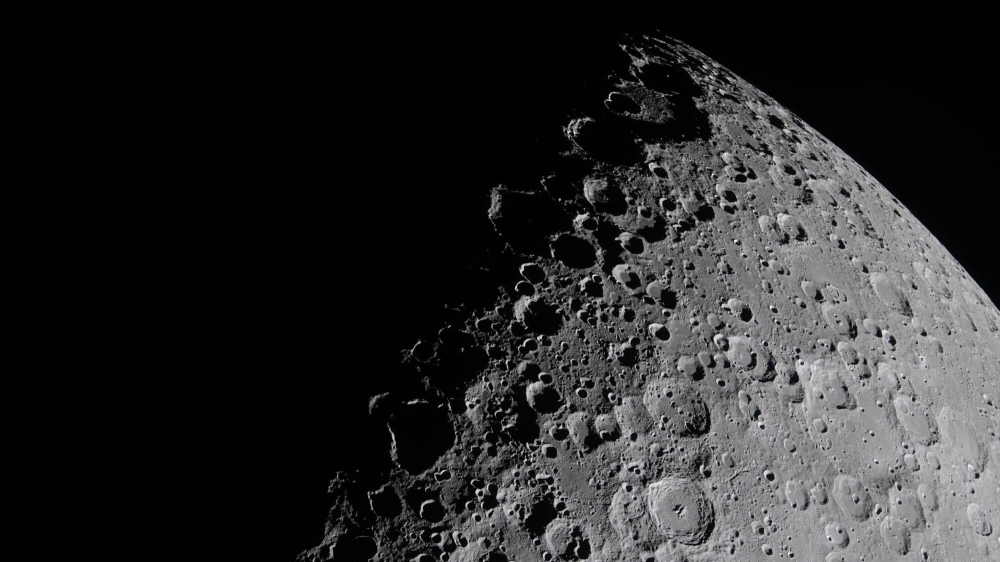
The spent second stage of SpaceX's Falcon 9 rocket is expected to crash into the moon's surface on August 5. Although the event was unplanned, astronomers consider it a rare scientific opportunity to study the lunar surface and the processes of space impacts.
The rocket, weighing about 3.9 tons, was left in an uncontrolled orbit after running out of fuel after launching Firefly Aerospace's Blue Ghost-1 and Japan's iSpace's Hakuto-R Mission 2 spacecraft into space in January 2025. It will hit the surface near the moon's Einstein Crater at a speed of about 8,700 kilometers per hour.
Scientists estimate that the impact will create a crater about 27 meters in diameter and could send dust and rock up to 100 kilometers into the air. NASA's Lunar Reconnaissance Orbiter and South Korea's Danuri orbiter will image the area before and after the impact and study the changes that occurred.
This impact is different from previous scientific lunar impacts. Because the event occurs randomly, but since the trajectory of the rocket is known in advance, scientists will be able to observe it in real time.
Researchers believe that the information obtained will help increase the safety of future lunar missions, assess the risks of space debris, and more accurately understand the structure of the lunar surface.