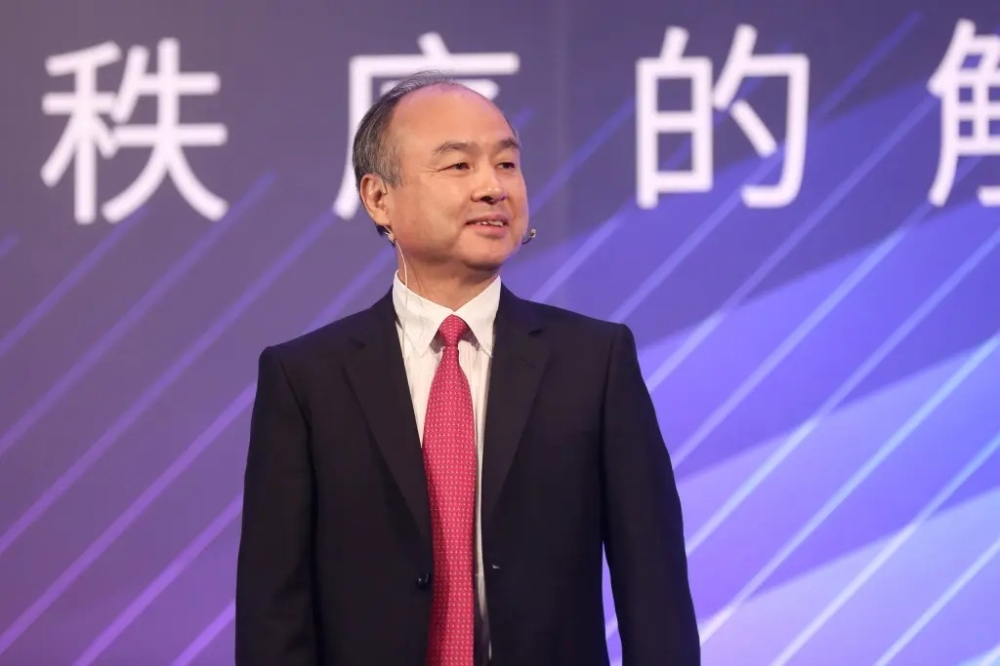
The founder of the Tokyo-listed investment conglomerate cut the number of pledged shares by 19.4 million, bringing the total down to approximately 154.2 million. As a result, the proportion of his pledged stake relative to his overall holdings has fallen from 39% in March 2020 to 31%.
It should be noted that the majority of Son’s $35.3 billion net worth comes from his one-third stake in SoftBank.
SoftBank shares surged nearly 200% by the end of October 2025 amid rising enthusiasm around AI investments, but have since begun to decline due to growing concerns about a potential market “bubble.”
Another noteworthy point is that Son’s Singapore-based investment vehicle currently holds about $1.1 billion worth of SoftBank stock. This indicates a departure from his previous practice of managing shares through Japan-based entities.
Son’s reduction in pledged shares leaves questions about real risks
The 19.4 million decrease in pledged shares may reflect debt repayments or a recalculation of collateral value following SoftBank’s sharp share-price increase. Since the filings do not specify the reason, it remains unclear how much risk still remains. Even though his pledged proportion fell from 39% to 31%, Son still had around $5.1 billion in debt tied to Vision Fund–related operations as of February 2023. Key terms of the remaining margin loans — such as loan-to-value (LTV) thresholds and margin-call conditions — are not disclosed. This raises questions about whether forced liquidation risk persists if SoftBank's share price declines.
Banks and brokers in the Asia-Pacific region that maintain specialized databases on pledged shares can offer refinancing options to founders before forced liquidation occurs. These include collar strategies (options that hedge against sharp declines) and prepaid forwards (agreements involving upfront cash payment in exchange for future share delivery). Such data is valuable for hedge funds evaluating counterparty risk. This process is similar to how credit default swap (CDS) markets track corporate debt risk, applied instead to founder equity.