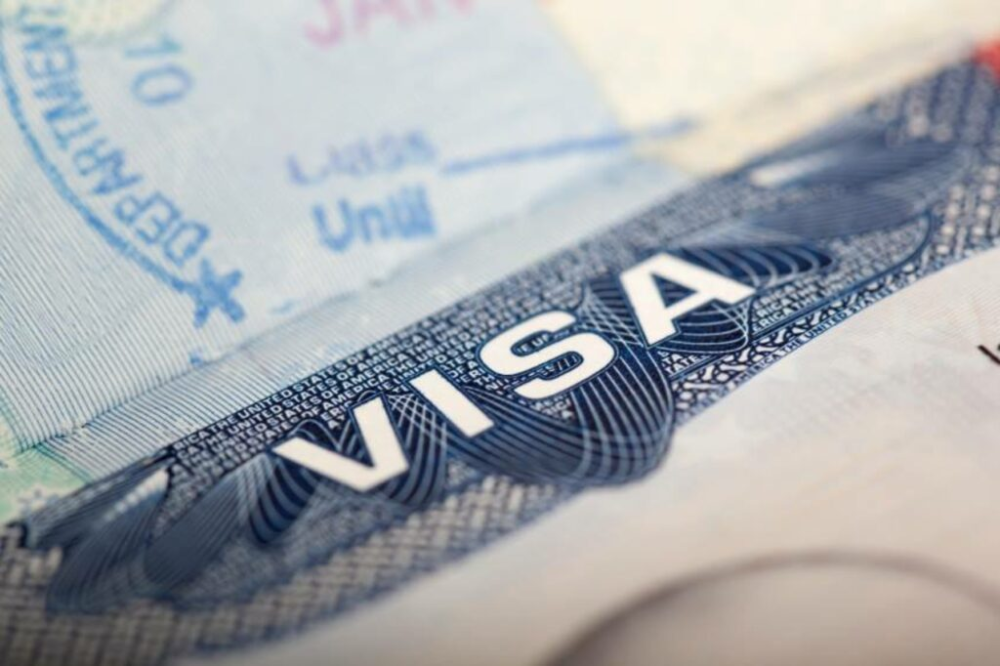
The O-1B visa, designed for creative professionals in the United States, has been rapidly gaining popularity in recent years among social media influencers and OnlyFans models. Immigration lawyers say the number of applicants in this category has increased sharply since the pandemic.
New York-based immigration lawyer Michael Wilds notes that law firms that previously worked with famous musicians and actors are now mostly approached by social media stars. “The era of iconic artists is over,” he says, “and the ‘scroll kings and queens’ have taken their place.”
Experts say it’s easier for influencers to prove their eligibility for an O-1B visa. Followers, views, and revenue are considered measurable indicators to justify the concept of “exceptional skill.” Some lawyers say that influencers now make up more than half of their clients.
According to official statistics, the number of O-1 visas increased by more than 50 percent between 2014 and 2024. However, this type of visa still accounts for a small proportion of nonimmigrant visas issued in the United States: in 2024, fewer than 20,000 O-1 visas were issued. For comparison, the number of H-1B visas was much higher during the same period.
The criteria for the O-1B visa — commercial success, participation in well-known projects and expert opinions — have been adapted over time to digital activities. Advertising contracts with brands, high incomes and participation in public events can now be included in these criteria.
However, not all lawyers are positive about this trend. Some believe that tying the value of art to the number of “likes” and followers could put classically trained artists who are not popular on social networks in a difficult position. In their opinion, this approach risks turning the quality of art into a digital “scoreboard”.
Experts emphasize that the increase in influencer applications is not just a temporary trend, but may be a sign of a deeper structural change in how creativity and opportunities are valued in the United States.