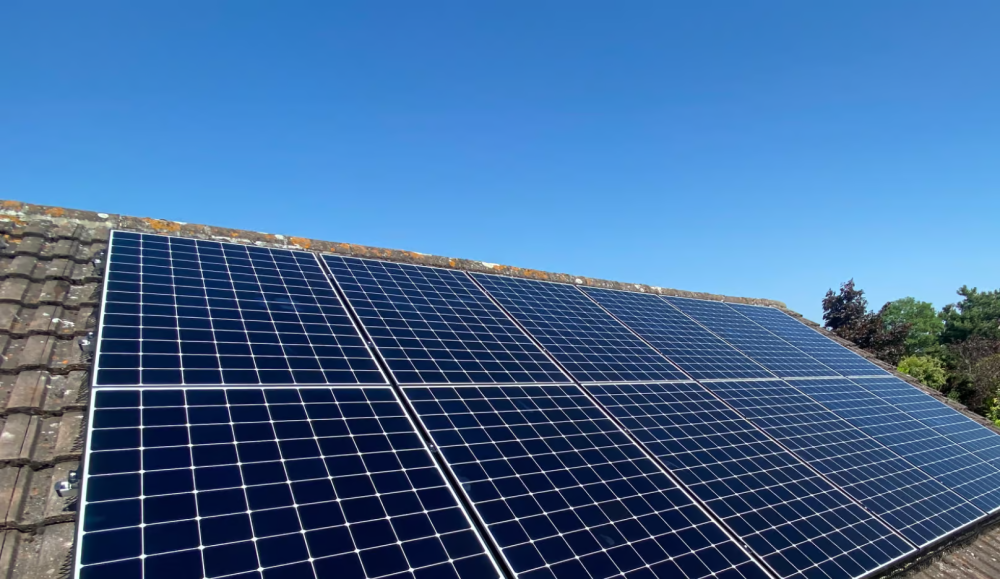
In 2025, Uzbek citizens earned $17.4 million by supplying electricity generated by solar panels to the grid under the “Sunshine House” program. The program launched in April 2023 and provides a subsidy of 1,000 soums (about $0.08) for every 1 kWh of electricity. The goal is to help homeowners earn income from solar energy and increase clean energy production in the country.
Payments under the program are transferred to bank cards through the Solig application. The largest number of subsidies fell on the regions of Khorezm ($4.6 million), Karakalpakstan ($2.4 million) and Bukhara ($2.1 million), with Tashkent in sixth place. In the third quarter of 2025, payments reached a peak of $7.5 million.
The state program also provides for the exemption of solar panel components from import duties and VAT, as well as the installation of free small solar power plants in 903 poor neighborhoods. This encourages both domestic producers and importers to compete.
In 2025, Uzbek citizens earned $17.4 million by feeding the electricity they produce through solar panels to the grid under the “Sunshine House” program. The program was announced by President Shavkat Mirziyoyev in February 2023. The goal is to help homeowners earn income from solar energy and increase clean energy production in the country.
The homeowner first pays for his own needs in the house, feeds the remaining electricity into the grid, and the state pays a subsidy of 1,000 soums for every 1 kWh. Payments are transferred to bank cards through the Solig application.
The largest number of subsidies fell on the regions of Khorezm ($4.6 million), Karakalpakstan ($2.4 million) and Bukhara ($2.1 million), with Tashkent in sixth place. Payments peaked in the third quarter of 2025 — $7.5 million. The program also includes exemption from import duties and VAT on components and the installation of free small solar power plants in poor neighborhoods.